Sherritt temporarily lays off 280 workers — nearly half its Canadian staff — as Cuba sanctions idle its Alberta refinery
The nickel and cobalt producer will put about 280 employees on temporary layoff for about 90 days while it works to restart its Fort Saskatchewan refinery, idled since June after U.S. sanctions on Cuba cut off its feed supply.

Sherritt International will temporarily lay off about 280 employees — 47% of its Canadian workforce — for about 90 days, the company announced on November 4, as it works to restore metals refining at its Fort Saskatchewan, Alberta refinery. The layoffs are a measure to preserve liquidity while the refinery sits idle, and employees may be recalled earlier if refining resumes ahead of schedule.
The refinery stopped refining metals on June 22, 2026, after its feed inventory ran out. The plant runs on feed from Sherritt's Moa nickel-cobalt operation in Cuba. During the layoff, production and sales of ammonia fertilizer and sulphuric acid will continue, along with necessary maintenance, environmental protection and safety monitoring.
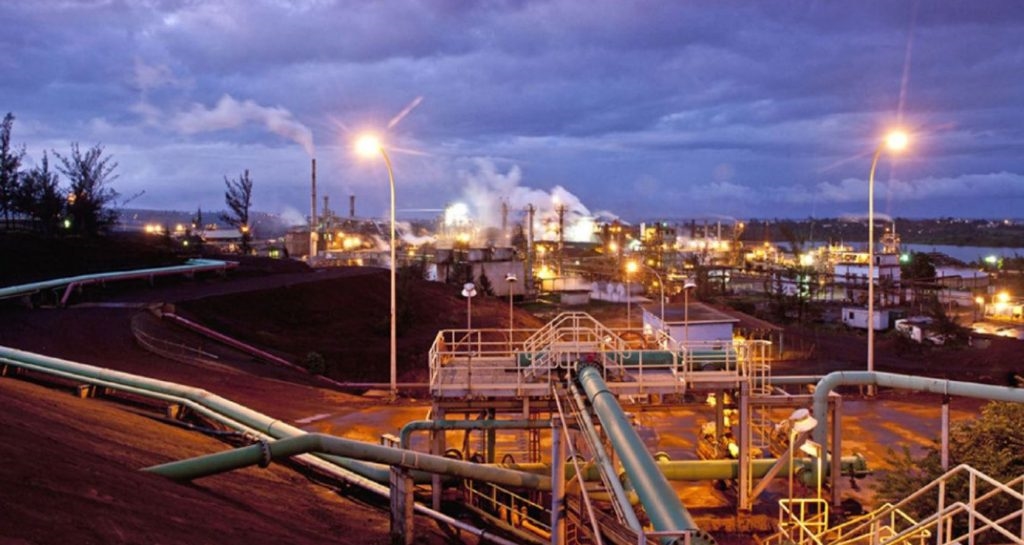
The shutdown traces back to U.S. sanctions on Cuba. On May 1, 2026, the U.S. administration issued Executive Order 14404, expanding sanctions against persons and companies doing business in Cuba, and on May 7 Sherritt suspended its direct participation in its Moa and Energas joint ventures there. On October 19, the company received the first of a series of anticipated emergency licenses from the U.S. Treasury Department's Office of Foreign Assets Control, authorizing the purchase and delivery of fuel to the Moa mine and its processing facilities — a step toward restarting mining and processing in Cuba and rebuilding the feed supply to Canada. Sherritt has not announced a firm date for resuming refining.
The Fort Saskatchewan plant is North America's only significant cobalt refinery and one of just three nickel refineries on the continent, according to the company, which describes itself as a world leader in hydrometallurgical processes for mining and refining nickel and cobalt — metals deemed critical for the energy transition. “Our objective is to return Sherritt to its position as an important producer of nickel and cobalt and a key contributor to North America's critical minerals supply chain,” interim president and chief executive Peter Hancock said. “This was a difficult decision, and we recognize the impact it will have on our employees and their families,” he added. “The layoffs are intended to be temporary.”
The sanctions shock has shaken the company beyond the refinery. In May, three directors resigned from the board, Deloitte resigned as external auditor, and the chief financial officer left; later that month, the Ontario Securities Commission issued a cease-trade order after Sherritt missed the deadline for its first-quarter financial statements. The company reported a second-quarter net loss of $71.1 million in August, and in May it signed a non-binding term sheet with Gillon Capital for a private placement that could give Gillon up to 55% of the company. The November 4 announcement also said Sherritt's chief human resources officer has departed, with the vice-president of human resources assuming oversight of the function.
The layoffs affect only the Canadian workforce; the company has not said any U.S. employees are affected, and no WARN filing for Sherritt has appeared in U.S. public records. Whether the 90-day layoff ends on schedule depends on the remaining emergency licenses and the restart of the Moa operation — the company says employees may return sooner if refining resumes earlier than expected.







Comments
Loading comments…