Nemaska Lithium layoffs: 68 jobs cut as Rio Tinto pauses Quebec battery plant
Rio Tinto has issued layoff notices to 68 workers at its Nemaska Lithium plant in Bécancour, Quebec, pausing construction on a lithium hydroxide plant that is about 80% complete, as lithium prices collapse and Quebec refuses to put in more public money.
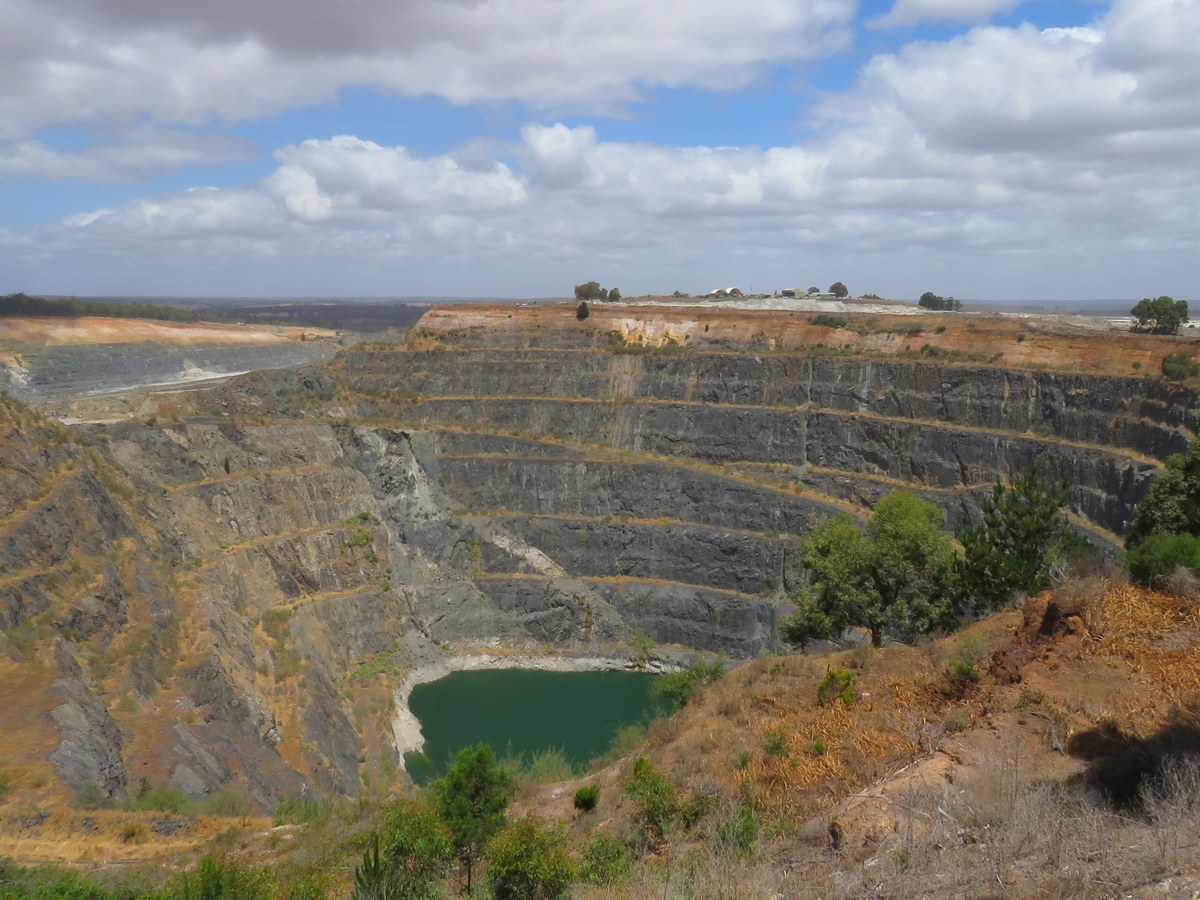
Rio Tinto has issued layoff notices to 68 workers at its Nemaska Lithium plant in Bécancour, Quebec, halting construction on a lithium hydroxide plant that is about 80% complete. Quebec's economic development minister's office confirmed the 68 layoffs, which are set to run through December. The cuts, reported by CTV News and BNN Bloomberg on November 11, mark the latest setback for a project that has already absorbed C$1.2 billion in public funds.
Construction is now set to remain on hold through 2027, putting the plant's planned 2028 start in doubt, according to Le Journal de Montréal. Employees were told on Wednesday that work could resume in 2028, although that was unconfirmed, the newspaper reported, citing a company letter. "Decisions on further investment and project timing at Bécancour will depend on the outcome of the evaluation, project economics, market conditions, and customer needs," Rio Tinto said in a statement.
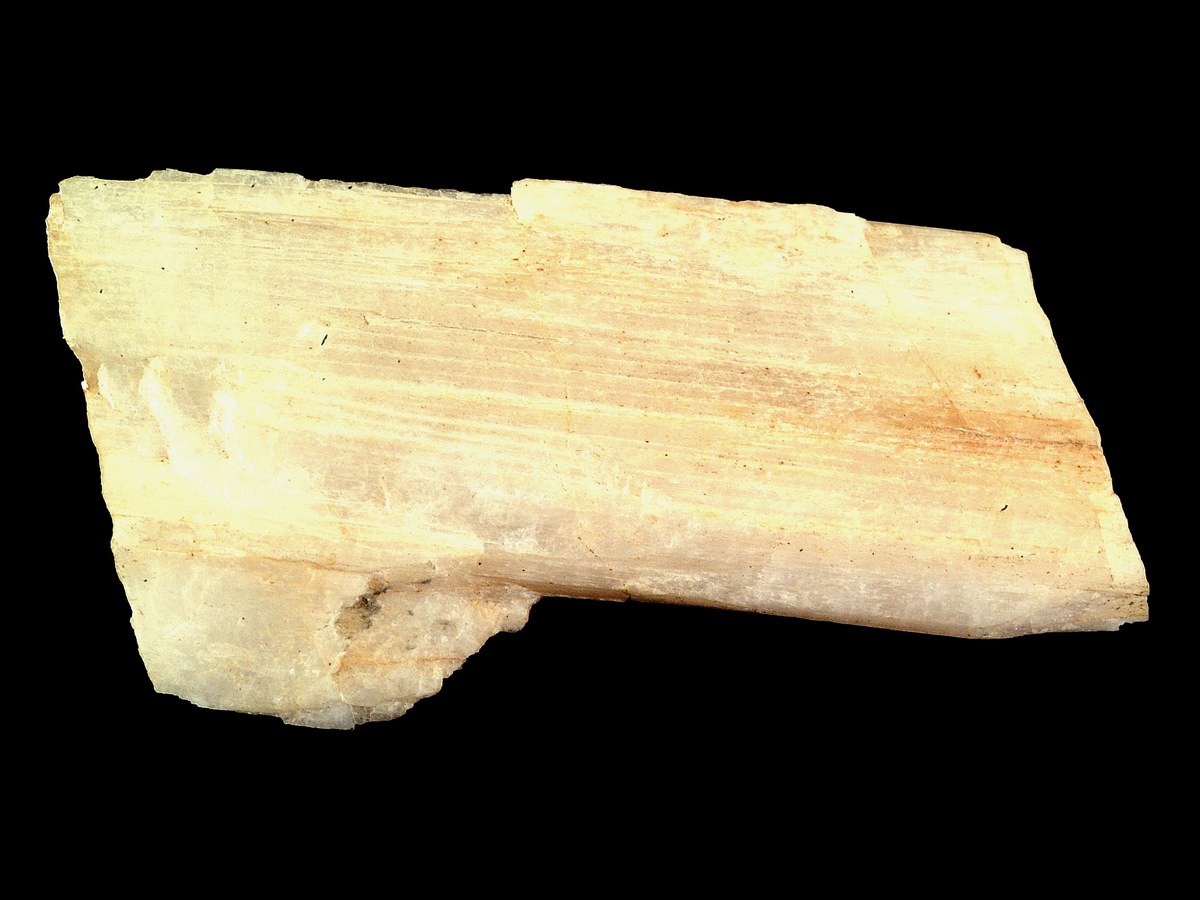
The pause follows a collapse in lithium prices. Lithium carbonate spot prices in Asia have fallen to $12.90 per kilogram from more than $25 in May, according to BMO, citing Fastmarkets, with weak demand growth and expanding supply from Africa and China weighing on the market. Slower electric-vehicle sales have also derailed Bécancour's plan to become an EV manufacturing hub. Rio Tinto had already slowed construction in March, cutting the contractor workforce by half while it reviewed the project's execution plan. The plant was then more than 70% complete, with first production of battery-grade lithium hydroxide planned for 2028 at an annual capacity of 32,000 tonnes.
The project has become a political problem for Quebec. The province has put C$1.2 billion in public funds into the venture, and another C$500 million plus 12 months of work are still needed to finish the plant, according to Le Journal de Montréal. "Our sincere hope is that this is going to work, because I don't want to be the guy to write off the $1.1 billion we invested," Stéphane Paquet, the minister of economic development, innovation and energy, told CTV News. Quebec has said it will invest no more in the project for the time being. Federal Industry Minister Mélanie Joly has tied federal support to the start of production.
Nemaska Lithium is an integrated project that would mine spodumene at Whabouchi, in the James Bay region, and convert it into battery-grade lithium hydroxide at Bécancour. Rio Tinto owns 53.9% of Nemaska and took direct management control in February, after raising its stake from the 50% it acquired through the US$6.7 billion purchase of Arcadium Lithium in March 2025. Quebec, through Investissement Québec, holds the remaining 46.1%. Rio Tinto is still reviewing the project's long-term spodumene supply, weighing the Whabouchi mine against its wholly owned Galaxy project, a choice that has been unresolved since February.
Bécancour, a town of about 14,000 halfway between Montreal and Quebec City, had expected the battery push to bring 1,500 direct jobs and 5,000 indirect jobs. Instead, the Nemaska stall is Quebec's second major electric-vehicle battery setback after Northvolt, whose C$7 billion Quebec factory plan collapsed after the Swedish company went bankrupt, costing the province C$510 million — CBC framed the Nemaska trouble with the headline "Another Northvolt?" Local leaders say they still expect the plant to open eventually. "The battery file is here to stay," Mario Lyonnais, prefect of the region, told CTV News. "I am confident that the Nemaska plant will open."


Comments
Loading comments…