Nadella on Microsoft layoffs: workers will become managers of AI agents
Speaking at the DealBook Summit, Microsoft chief executive Satya Nadella said the company's offer of voluntary exits to about 60,000 employees is about an AI-first reorganization — and that every worker will one day become a manager of AI agents. A week after a global Outlook outage, he also warned that AI-driven patching will cause more outages.
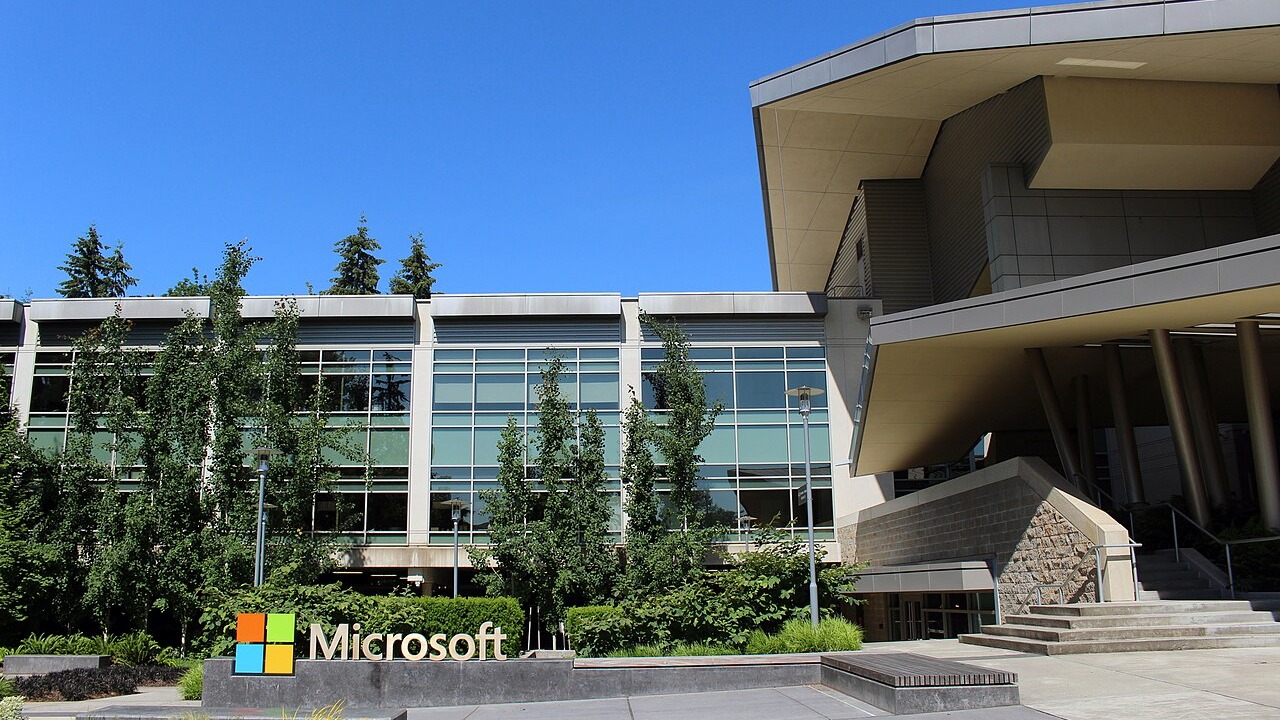
Microsoft chief executive Satya Nadella on Wednesday explained why the company offered voluntary buyouts to about 60,000 employees in October — and said the point is not replacing workers with artificial intelligence, but reorganizing the company around it. Speaking at The New York Times DealBook Summit in New York, Nadella said the buyout was “to make sure that at least everyone felt like they had agency in making choices” as Microsoft becomes an AI-first company. He said every employee will one day become a manager of AI agents rather than a person directly doing the work. The offer is voluntary, not a layoff: 60,000 is the number of employees eligible, not the number leaving, and Microsoft has not said how many accepted.
The Voluntary Exit Offer, announced on October 26 by chief people officer Amy Coleman in a memo posted on Microsoft’s official blog, covers eligible employees in participating teams in the United States, Canada, the United Kingdom and India, at internal level 70 and below. Participating divisions include Xbox, Windows, Copilot and Finance, while data-centre staff and sales and marketing are excluded. The terms match Microsoft’s standard severance — base pay by tenure and level, healthcare coverage and career transition services; in India, one month of base salary per completed year of service. Eligible employees must decide by the first week of December, with departures set for December 31. Microsoft expects 3,000 or fewer employees to accept, according to a report by People Matters citing Business Insider. It is the company’s second voluntary departure programme of 2026, after a spring retirement offer that reached about 7% of its United States staff.
The explanation comes a week after Microsoft’s own systems failed. On November 12, a global outage knocked out Outlook and other Microsoft 365 services — Teams, OneDrive, SharePoint, Copilot and Exchange Online — for most of a day, with service largely restored on November 13 and fully restored on November 14. Microsoft traced the failure to three factors: a latent software defect left by a July fix to its Microsoft 365 networking gateway (a lock-contention flaw that left gateway servers unresponsive), a surge in traffic, and about 14% of gateway server capacity already offline for an unrelated reason. At the worst point, more than 80% of the gateway servers were unresponsive. Outage reports peaked at about 140,000 on Downdetector, with reports from 74 countries. Microsoft said the outage was not a cyberattack and was not caused by AI. Executive vice president Charles Lamanna laid out these causes in a post on X, and a final post-incident review is expected later this week.
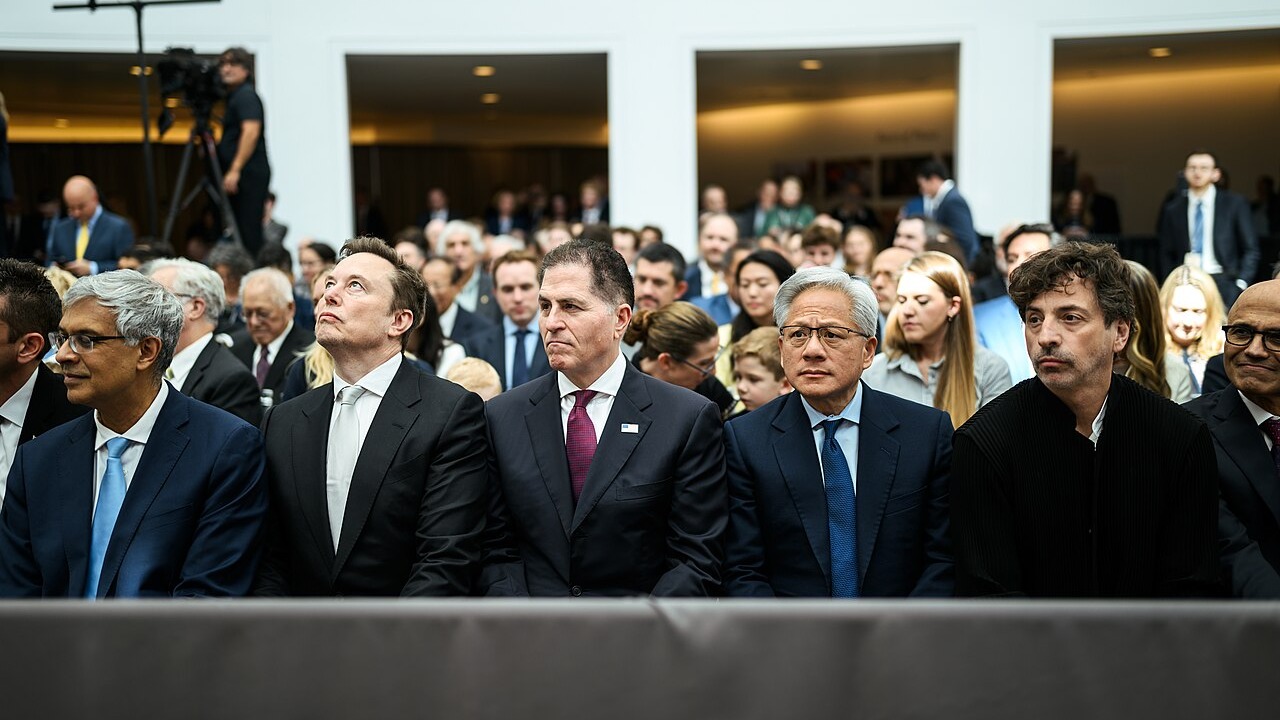
Nadella, who said he was “extremely sorry” for the outage and called it a “perfect storm”, warned that AI will make outages more likely — not because AI caused this one, but because AI now finds software vulnerabilities so fast that companies must patch them almost immediately, with less time for testing. “The thing that AI has done is it allowed us to find these bugs and fix these bugs. But that means you’ve got to then patch them, and that creates instability,” he told CNBC. He likened the long adjustment period to Y2K, and pointed to physical infrastructure — heating and cooling systems, transport networks — that is connected to the internet but hard to update. Microsoft addressed more than 1,200 software vulnerabilities in November, nearly 20 times the number in the same month last year, according to cybersecurity firm Qualys.
The clearest picture of the AI-first workplace Nadella described came from a team of just 11 developers building Cowork, the AI agent inside Microsoft 365 apps. “They build a software factory that builds the product. They don’t build the product,” he said. Software engineering, he argued, is “very much alive and, in fact, is going to thrive, except the way the team is organized and the work that a software engineer does has now got a new operating point.” A week earlier, on The Pragmatic Engineer podcast, Nadella said Microsoft had “created enormous anxiety” by talking about the AI revolution and predictions that AI will take away all jobs. The buyout, in effect, is the choice: join the AI-first programme, which will radically change the job, or leave. “That level of direction is what, by the way, is going to happen in all jobs,” he said.
Microsoft has 61 WARN filings covering 13,153 workers in this site’s WARN filing data, across California, Illinois, New York and Washington — including 26 filings in 2023, 10 in 2025 covering 3,296 workers, and two in 2026 covering 882 workers at its Redmond headquarters (605 on July 6, effective September 4; 277 on September 22, effective November 21). No WARN filing covers the voluntary exit offer, which as a voluntary programme does not trigger WARN notice. Microsoft employed about 223,000 people as of June 30, 2026, so the 60,000 eligible employees are about 27% of its workforce. What to watch: the early-December decision deadline, the December 31 departures, and how many employees accept — and whether involuntary layoffs follow, which Microsoft has said remain possible depending on business conditions.
View more filings for Microsoft






Comments
Loading comments…