BBC Scotland: some of 70 job cuts may be compulsory
BBC Scotland director Hayley Valentine told MSPs on November 24 that closing 70 posts — about 10% of the workforce — cannot be done through voluntary redundancies alone, as the channel prepares to leave linear television for BBC iPlayer in spring 2027.
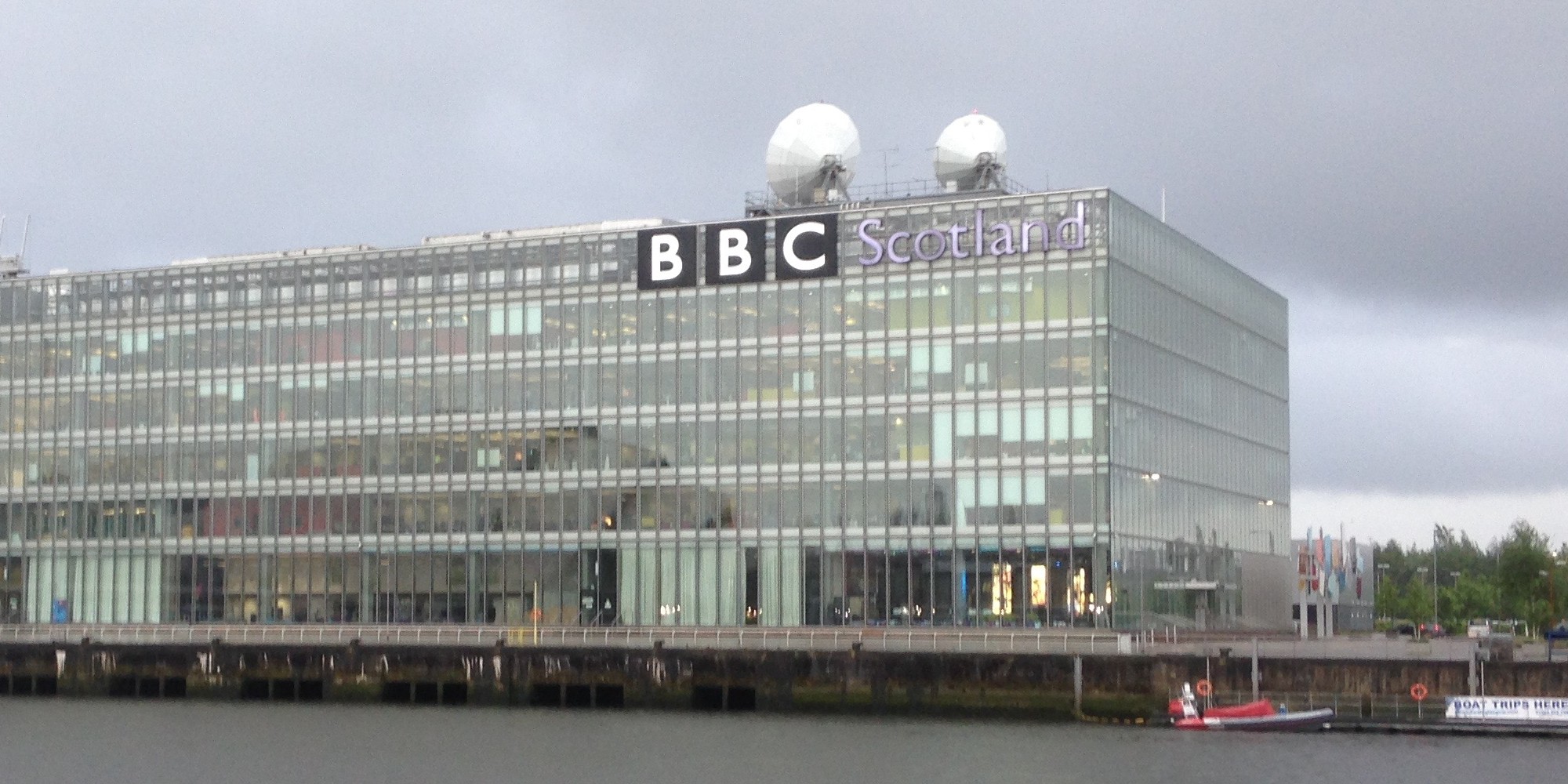
BBC Scotland has conceded that some of the 70 posts it is closing — roughly 10% of its workforce — may have to be lost through compulsory redundancies, after its director told MSPs that voluntary departures alone cannot deliver the cuts. Hayley Valentine gave the warning to Holyrood's culture committee on November 24, a month after the BBC announced the BBC Scotland channel will leave linear television and move to BBC iPlayer in spring 2027.
"So far we have announced we are closing 70 posts in Scotland, that's roughly 10% of our workforce," Valentine told the committee. She said the BBC hoped "most of that will happen through volunteers" but "not all of it will". "It is impossible to deliver this level of savings, we don't have that number of volunteers and we don't have that level of headroom in BBC Scotland," she said. "So it is very difficult to do without looking at the possibility of compulsory redundancies." Staff were "really unsettled", she added, calling it a "difficult time" for the broadcaster — and warning the cuts are "not done yet".
The 70 posts comprise about 10 role closures tied to the channel's move online, announced on October 20, on top of 60 role closures BBC Scotland had already announced earlier in the year. The nightly Reporting Scotland: News at Seven will end when the linear channel closes rather than moving to iPlayer, while other programmes will continue on iPlayer and on BBC One and a reconfigured BBC Two in Scotland. The channel launched in February 2019; Valentine told MSPs linear viewing numbers were small and iPlayer was "a massive growth area", saying the move would help "protect" programmes and content.
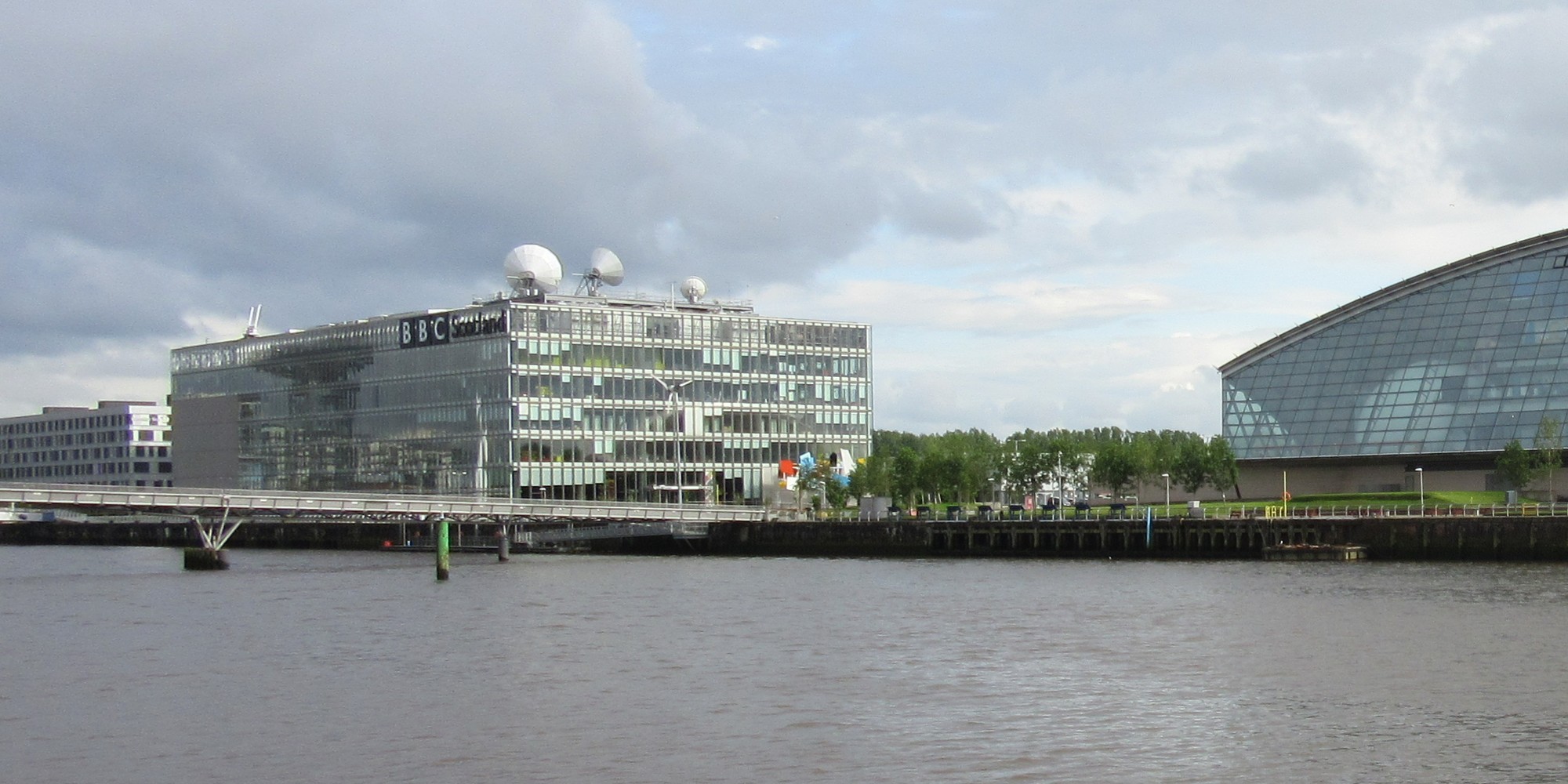
The closure has drawn opposition from the Scottish government. Culture Secretary Mairi McAllan called the decision "wholly unacceptable" and wrote to the regulator Ofcom in late October asking it to review the plan. Ofcom replied on November 6 that the regulatory framework does not permit it to stop the closure of a linear service, saying the decision rests with the BBC Board.
The Scotland cuts are part of a BBC-wide savings drive of at least £500 million in recurring annual savings, running through March 2029. Deputy director-general Rhodri Talfan Davies told the committee the BBC had announced around £200 million of savings toward that target, adding: "As Hayley says, we have got further to go." He said the BBC had committed to unions that it would do everything it could to minimise compulsory redundancies, but conceded that "the level of restructuring and the level of post reductions means that gets harder and harder", and agreed a second wave would be "harder and more challenging". The BBC had previously announced plans to cut between 1,800 and 2,000 roles across the UK, BBC News reported in October.
The National Audit Office warned on November 20 that the BBC's new savings round will be harder to deliver than its current £700 million programme, which it said will finish ahead of schedule, and that further headcount reductions and content changes will be more noticeable to audiences. The watchdog said the programme will cut the BBC's workforce by around 11% from its March 2026 level, citing a 26% real-terms fall in licence-fee income since 2016-17 and a £209 million public-service broadcasting operating deficit in 2025-26. Consultation with affected teams and unions is under way, the BBC said in October, and Valentine told MSPs her priority was "to minimise audience impact and to minimise the impact we are having on content".



Comments
Loading comments…